There is no magic number. But there is a range that works, and there is a point where posting less does more harm than posting more.
The short version:
- Three to five posts a week is the range that works
- Consistency beats volume, so pick a pace you can hold
- Late morning and late afternoon catch people deciding where to eat
- Mix food photos, customer reviews, and behind the scenes so the feed varies
The short answer: 3 to 5 times per week. That keeps your restaurant visible in people’s feeds without overwhelming them. But the longer answer depends on what you are posting and whether you can keep it up.
Consistency matters more than frequency
A restaurant that posts three times a week every week for six months will build a stronger Instagram presence than one that posts twice a day for three weeks and then goes silent. The algorithm rewards consistency. Your followers learn to expect your content. And your feed builds into something that looks alive and active when a new visitor checks out your profile.
The worst thing you can do is post ten times in one week because you are excited, and then disappear for a month because you burned out. That pattern tells the algorithm your account is unreliable, and it tells potential customers you might be closed.
Pick a frequency you can sustain. Three times a week is achievable for most restaurants. If that feels like too much, two times works. If you can do five, great. The number matters less than whether you can keep doing it.
What to actually post
The struggle is never “should I post more” but “what do I post.” Here is a mix that works for restaurants:
Food photos. Obviously. But not every food photo is worth posting. The plate should look good, the lighting should be decent (natural light near a window is free and works), and the photo should make someone hungry. One great food photo per week is better than five mediocre ones.
Behind the scenes. Your kitchen, your team, your prep work, your morning setup. People like seeing the human side of a restaurant. A photo of your chef tasting a new sauce is more engaging than a generic photo of pasta.
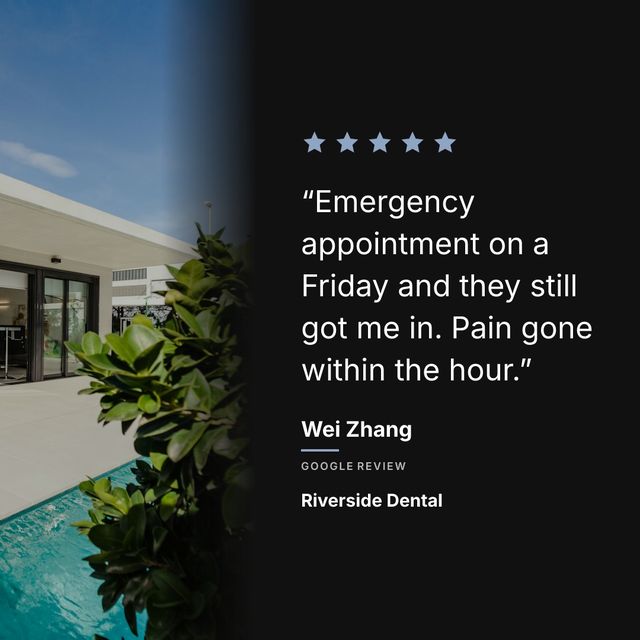
Customer reviews. This is the easy content most restaurants overlook. Your customers already wrote short, persuasive descriptions of their experience. A review that says “the truffle pizza changed my life” is a post. A review that says “best brunch spot in the city” is a post. You did not have to write anything. You did not have to take a photo. The content already exists.
If you post three times a week, a good split is: one food photo, one behind-the-scenes or team post, one customer review. That mix shows your food, your personality, and your reputation.
For more on turning reviews into posts, read our guide on how to share Google reviews on Instagram.
The review content advantage
Review posts solve the hardest part of restaurant Instagram: coming up with something to post when you are tired and the dinner rush just ended. You do not need to take a photo. You do not need to think of a caption. You just pick a review and share it.
A tool like Prizz makes this even simpler. It pulls your Google reviews and generates branded graphics you can share in seconds. When a new review lands, you get a notification with the post ready to go. It fills the gap in your posting schedule without requiring any creative energy.
What time to post
For restaurants, the best posting times are when people are thinking about food:
Late morning (10 to 11 AM) catches people deciding where to eat lunch. Late afternoon (4 to 5 PM) catches people thinking about dinner plans. These are local times for your area.
Weekends tend to get more engagement for restaurant content because people are actively looking for places to eat. Friday afternoon and Saturday morning are strong posting times.
The profile page matters
Every post you make is also a tile on your profile grid. When someone hears about your restaurant and checks your Instagram, they see nine to twelve recent posts at a glance. That grid is your first impression.
If your last post was three weeks ago, they might wonder if you are still open. If your grid is a mix of good food photos, real customer reviews, and behind-the-scenes content, they get a complete picture of what your restaurant is about in two seconds.
That grid is the real reason consistency matters. Individual posts come and go in the feed. Your profile page is permanent.